Empowering Ability Through Inclusion
Solon Disability Inclusive Organization is a pioneering local NGO committed to the holistic empowerment of persons with disabilities in Ethiopia.
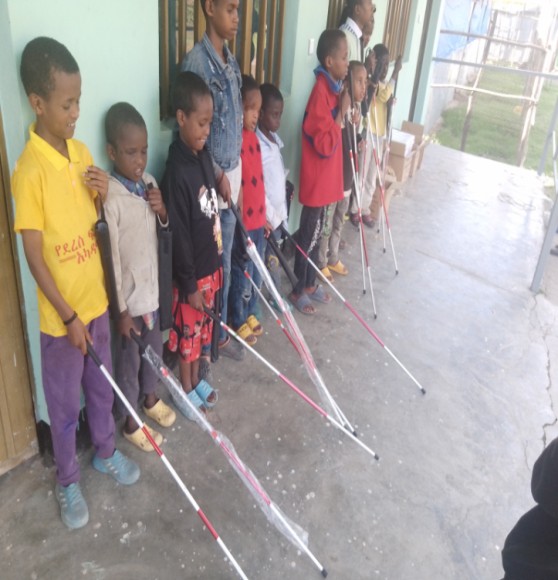
Community Driven
Bridging the gap between services and the community through strategic CBR initiatives.
Holistic Care
Providing inclusive education, health, and livelihood systems for all children and youth.
Barrier Free
Dismantling social barriers to foster an environment where young people can lead independent lives.
Our Thematic Priorities
We operationalize Social Inclusion through focused, multi-sectorial efforts.
Inclusive Education
Transforming the educational landscape by promoting "Schools for All" and providing teacher training.
Learn more →Inclusive Health
Ensuring children and youth with disabilities have the freedom to move, interact, and grow.
Learn more →Inclusive Livelihood
Creating pathways to financial independence through vocational skills training and entrepreneurship.
Learn more →Social Inclusion and Participation
Fighting stigma and fostering a culture of belonging so that persons with disabilities are active participants in all aspects of community life.
Learn more →Empowerment
Building leadership and self-advocacy skills to empower youth and their families to drive their own journey toward equality.
Learn more →CBR Coordination
Coordinating integrated, community-based rehabilitation to bring essential services directly to the doorsteps of those who need them most.
Learn more →Our Strategies
Holistic approaches to creating sustainable change for persons with disabilities.
Grassroots CBR Coordination and Referral
Our primary strategy is to act as a bridge between persons with disabilities and essential services. By utilizing the CBR Matrix, we coordinate with local health extension workers, schools, and vocational centers to ensure a "continuum of care." This involves identifying children and youth with diverse impairments in their homes, assessing their specific needs (health, education, or livelihood), and providing direct referrals or specialized support to ensure they are not hidden or forgotten by the system.
Capacity Building and Technical Support
We believe in strengthening existing systems rather than creating parallel ones. To put Inclusive Education and Health into practice, we provide technical training to school teachers and healthcare providers. This includes training on disability etiquette, basic sign language, Braille instruction, and the use of assistive devices. By equipping duty-bearers with the right skills, we ensure that public services become naturally accessible to all children and youth with disabilities.
Evidence-Based Advocacy and Policy Dialogue
To achieve sustainable Social Inclusion, we engage in consistent advocacy with local and regional authorities. We use data from our field work to demonstrate the barriers faced by persons with disabilities and propose practical solutions based on the UN CRPD. By participating in policy dialogues and disability forums, we ensure that the voices of our beneficiaries especially those with visual and intellectual impairments—are heard at the decision-making level.
Economic Empowerment and Resource Mobilization
To operationalize Inclusive Livelihood, we focus on resource mobilization and market linkages. We don't just provide training; we actively link youth with disabilities to microfinance institutions and seed-grant opportunities. We also organize "Inclusive Job Fairs" and sensitize private sector employers to the business case for hiring persons with disabilities, ensuring that vocational training leads to actual income generation and economic autonomy.
Community-Led Awareness and Stigma Reduction
Change starts with the mindset. Our strategy for Social Participation involves intensive community-led awareness campaigns. We utilize "Disability Champions"—successful individuals with disabilities from our programs—to share their stories in schools, marketplaces, and religious institutions. This peer-to-peer approach helps dismantle the medical model of disability (viewing it as a "curse" or "sickness") and replaces it with a rights-based social model.
Family and Caregiver Empowerment
We recognize that the family is the first line of support. We organize "Family Support Groups" where parents and caregivers of children with complex disabilities receive emotional support and training on how to assist their children with Activities of Daily Living (ADL). By empowering the family unit, we ensure that the progress made in our Braille education or health programs is sustained at home.
Ready to make an impact?
Join our mission to transform the lives of persons with disabilities through inclusive systems and community empowerment.